
Ryan Ranch Beauty
- I Am Not

- Nov 4, 2021
- 4 min read

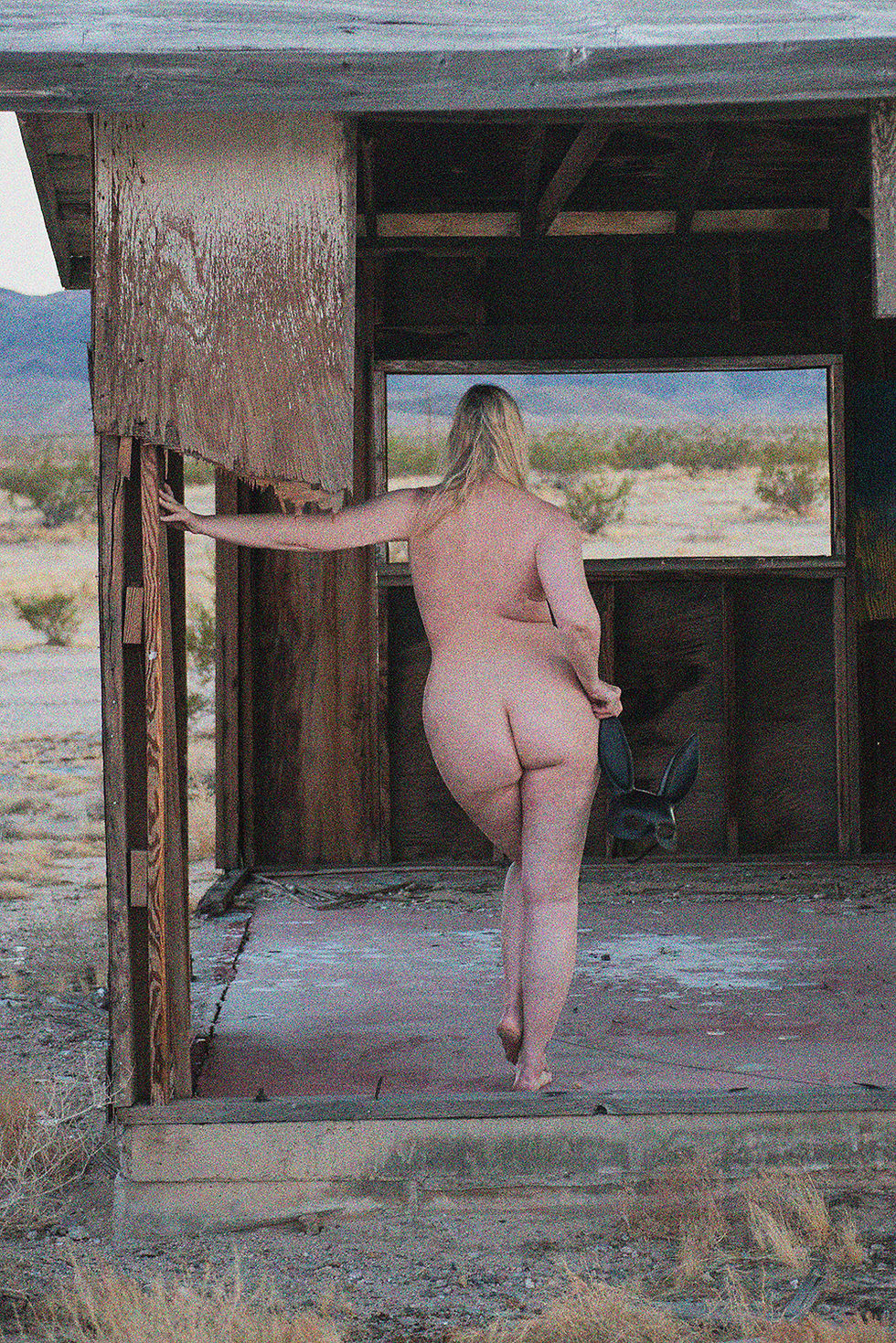
I do love to visit Joshua Tree National Park with Ms. Blue Eyes. The park is my favorite place ever and Ms. Blue Eyes is my favorite person ever so...it's a great combination. The place that we have visited most often in the park is Ryan Ranch. As far as I'm concerned, the history of Ryan Ranch is as follows: The Ryan family built their adobe home in this location in the 1890s and raised children and cattle there. Years went by, blah, blah, blah and then I photographed Ms. Blue Eyes there just last month. The end.
If you are looking for a more thorough (and far less interesting story), you can read this article below written in 2009:
January 31, 2009
Caitlyn Marrs Archeologist Joshua Tree National Park
At the western base of Ryan Mountain lie adobe ruins representing early turn of the century life in Joshua Tree National Park. What remains there today is the footprint left behind by the Ryan family, who came to Joshua Tree in the 1890’s to manage and eventually acquire the Lost Horse Mine, the most successful mine in the area. Ryan Ranch originally consisted of three adobe structures: a small one room structure of unknown purpose, a two room bunkhouse, and the main house. Wood and metal structures were eventually added to the site. While the main house is thought to have been built around 1896, the construction dates of the neighboring structures are unknown but thought to post date the main house. In 1975, Ryan Ranch along with the Lost Horse Well, was added to the National Register of Historic Places (NRHP). The site was nominated as a historic district based on its profitable history and depiction of early mining life and, therefore, its local significance to Joshua Tree National Park and the surrounding communities.
Unfortunately for Ryan Ranch, a history of vandalism has also been a part of its past. As a result, the site has deteriorated more quickly than naturally expected. Although Ryan Ranch became the property of the park in 1966, the Ryan family retained a life estate until the death of Leanta Ryan. The park, therefore, was not in a position to stabilize the adobe structures until much later in their history. In 1975 all three adobe structures were still structurally sound, however, vandalism in the form of graffiti on the adobe began accumulating. The main house had a roof, plastered walls, window panes, doors, and many other structural elements associated with a turn of the century homestead. The small one room structure had remnants of all four walls and two window frames, but vandalism was contributing to the process of natural deterioration. On August 12,1978, the Ryan ranch house experienced a devastating blow when the structure was burned. Arson was suspected. All that remained of the main house were its fragile adobe walls. With the roof gone and much of the protective plaster spalled off, the structure was now completely exposed to the elements. Today, only two of the original adobe structures have walls remaining, the old bunkhouse and the main ranch house. The small one room building has since melted into an amorphous mass of adobe.
In 1936 President Franklin D. Roosevelt signed the Joshua Tree’s enabling legislation which cites the preservation of historic resources as a primary goal in reserving the land in public trust. With the site’s later inclusion on the NRHP and based on the historic relevance of Ryan Ranch to park history, the National Park Service was tasked with the preservation of Ryan Ranch for future generations. As part of the Secretary of the Interior’s Standards for Historic Preservation, two options were available to the park for the treatment of Ryan Ranch; preservation or reconstruction. Reconstruction would rebuild the adobe structures based on historic data available to the park, whereas preservation is intended to essentially “stop the hands of time”, preserving the structure in its current state. Due to the prohibitive cost and lack of historic data to accurately reconstruct the adobe structures, preservation was the park’s only option. Part of preserving structures is the continual maintenance and monitoring of the structure, a process requiring considerable time, energy, and funding. Adobe structures are particularly problematic to preserve, even in arid environments. Even while occupied, residents must periodically re-plaster the structures to provide a “shelter coat”, or a layer that would be allowed to erode leaving the adobe bricks intact. A lime plaster shelter coat has the beneficial property of allowing the adobe to breathe as moisture wicks in and out of the walls.
In the past five years, several efforts have been made to stabilize Ryan Ranch. Below is a condensed summary of this work. Reports are available for each of the stabilization efforts and all documents are available for public viewing. These can be found in the Joshua Tree National Park library in Twentynine Palms.
While the appearance of the most recent stabilization work may present a degree of shock value in comparison to the original fabric, that was not the intent of the preservation crew nor the park. The park’s objective was simple: to prevent further collapse of the adobe walls. The lime plaster used to restore the structure emulated the historic materials and this plaster was stained using a wash made from the fallen adobe bricks on site. This treatment will protect the walls from moisture, allow the adobe to breathe, and provide an acceptable maintenance cycle of 5-7 years. Although a more aesthetically pleasing stabilization would have been preferable to some, the materials used were as historically accurate as possible. The work done was contracted out to professionals well established in the field of historic preservation. The truth is this structure was rapidly disappearing, not from natural deterioration alone but also from the pressure of continued vandalism. While the outcome of this work may not have been ideal, it was the best choice under the circumstances. At least now the structure still stands and the original fabric is still visible on the interior walls, displaying pockets of historic plaster and adobe bricks as seen through an interpretive window.


Comments